Sleep is vital for good health. Experts recommend a minimum of seven to eight hours of sleep per night for most adults; a lack of sleep can affect your hormone levels, mood, weight, and work or school performance and may result in physical, mental, social, and emotional problems. Reaching that goal is difficult for many, thanks to the growing prevalence of sleep disorders.
What’s a Sleep Disorder?
Sleep disorders are conditions that prevent you from sleeping well regularly.
You can’t sleep if you can’t breathe, so call Dr. SHALINA RAY, the best ENT specialist in Bangalore, today for better breathing.
Diagnosing and treating a sleep disorder is essential in preventing more serious health problems from occurring. Most patients must undergo a polysomnography (sleep study) conducted in a sleep lab or at home.
With such many recognized sleep disorders, there are many different causes. These include allergies and colds, chronic diseases, pain, stress and anxiety, work schedules, and more. Treatment depends on the condition but typically involves a combination of medications and lifestyle changes. Surgery may be an option for certain breathing-related disorders, such as snoring with or without OSA.
Sleep apnoea
Sleep apnoea is a potentially serious sleep disorder in which breathing repeatedly stops and starts. You might have sleep apnoea if you snore loudly and feel tired even after a whole night’s sleep.
Diagnosis
Most ENTs start with restoring proper breathing during the day and night. Many times this ends the sleep apnoea without using any special devices.
The examine may order imaging tests to look at your airways. Your nasal passages (including the turbinates and septum) and sinuses will be examined to make sure they are not causing an obstruction.
If you still have tonsils or adenoids, they will be examined to ensure they do not obstruct your breathing.
The uvula and soft palate will be examined to determine if they are causing an obstruction.
If any of these structures are the source of the obstruction, the ENT will remove the obstruction and restore free breathing. Not only will this help during the night, but you will also breathe better during the day.
Sleep apnoea surgical treatments by ENTs
Septoplasty: If the septum (the bit of bone and cartilage between the nostrils) is not straight, a septoplasty can be performed to straighten the septum and correct your breathing.
If the turbinates are enlarged, the ENT can reduce their size using radiofrequency energy to burn bits of tissue away.
Functional endoscopic sinus surgery: Polyps in the nose or sinuses can be removed with functional endoscopic sinus surgery. These grape-like structures cause breathing problems day and night.
Somnoplasty also uses radiofrequency energy or coblation device to reduce tissue in the uvula or soft palate.
Tonsils and adenoids can be removed for better breathing.
Snoring
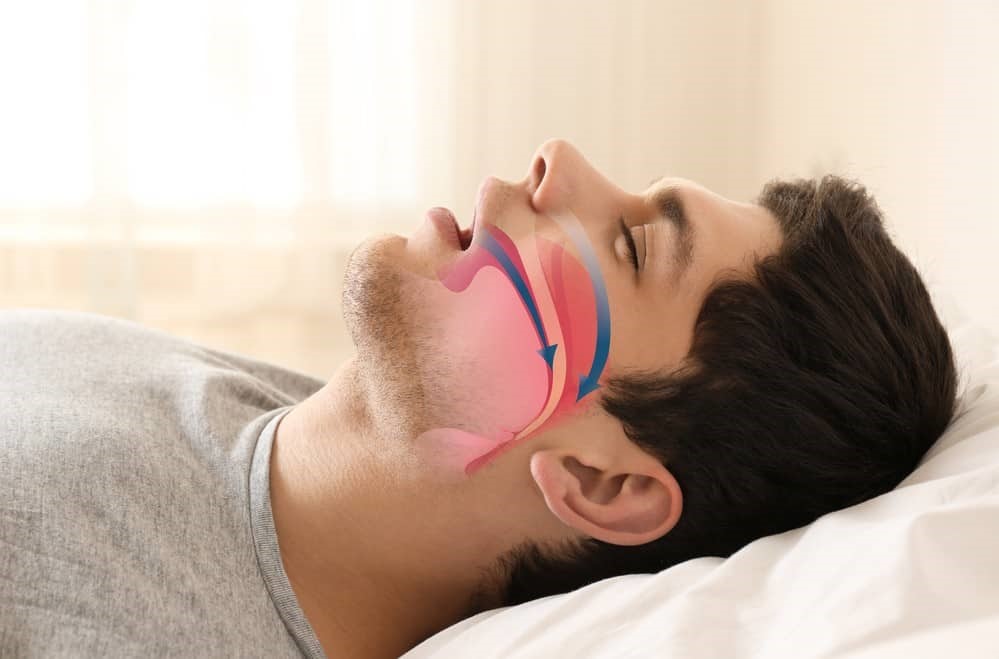
Snoring is caused by the vibrating movement of the uvula and the soft palate located in the roof of the mouth. The uvula is the small tissue mass hanging down from the middle of the soft palate. When a person sleeps, the uvula and soft palate relax, and vibrating movements occur, causing the snoring sound. Approximately 40 percent of men and only 30 percent of women snore. Doctors are not sure why more men snore than women do.
Symptoms and Signs
Many times, snoring occurs in the presence of other signs and symptoms. These are indicators that there could be an underlying health condition that a sleep specialist should treat. Some symptoms and signs to look for include:
- Frequent sore throats
- Nasal drainage and congestion
- Itchy, watery eyes and sneezing
- Frequent fatigue and drowsiness
- Nose Bleeds
- Mouth breathing
There are many treatment options available for people who snore. CPAP is the most common treatment, and it is used by hundreds of people who suffer from obstructive sleep apnea. A CPAP device involves a mask worn over the nose and mouth connected to a machine that delivers a positive amount of pressure. This is done to keep the airway open.
We offer Minimally Invasive Procedures that can address and often remedy some of the underlying causes of snoring. These include:
- Endoscopic sinus surgery
- Septoplasty
- Turbinate Reduction
- Palatal reduction
- Tonsillectomy
- Uvulopalatoplasty
Snoring does not have to be an issue in your life. There are plenty of solutions and options to help you stop snoring. If you are experiencing any symptoms and signs associated with snoring, consider an evaluation with Dr. Shalina.
Dr. SHALINA RAY, the best ENT specialist in Bangalore, is standing by to provide you with the best sleep care!
FAQs
Loud snoring accompanied by pauses in breathing, gasping or choking during sleep, excessive daytime sleepiness, morning headaches, or poor concentration may indicate obstructive sleep apnoea rather than simple snoring. A proper medical evaluation and sleep study can help confirm the diagnosis.
No. Surgery is not suitable for every patient. The treatment depends on the underlying cause of snoring. Lifestyle changes, CPAP therapy, or oral appliances are often considered first, while surgery is recommended for selected patients after specialist evaluation.
Your ENT specialist may recommend a sleep study (polysomnography), a detailed airway examination, nasal endoscopy, and sometimes Drug-Induced Sleep Endoscopy (DISE) to identify the exact site of airway obstruction before deciding on surgery.
The success of surgery depends on the severity of sleep apnoea, the location of the airway blockage, body weight, and individual anatomy. Some patients experience significant improvement, while others may still require additional treatments such as CPAP or lifestyle modifications.
Depending on the site of obstruction, surgery may involve the nose, soft palate, tonsils, tongue base, or multiple airway levels. Your ENT surgeon will recommend the most appropriate procedure after a comprehensive evaluation.
When obstructive sleep apnoea is successfully treated, many patients experience better-quality sleep, reduced daytime sleepiness, improved concentration, and an overall improvement in quality of life.
Yes. Untreated obstructive sleep apnoea has been associated with an increased risk of high blood pressure, heart disease, stroke, diabetes, and other health problems. Early diagnosis and appropriate treatment are important.
Some patients no longer require CPAP after successful surgery, while others may still benefit from CPAP at lower pressure settings or as part of ongoing treatment. This depends on postoperative evaluation and sleep study results.
Yes. In children, enlarged tonsils and adenoids are a common cause of obstructive sleep apnoea, and surgery may be recommended when clinically indicated after evaluation by a pediatric ENT specialist.
The most appropriate procedure depends on the cause and location of the airway obstruction, the severity of your condition, your overall health, and the findings of your sleep evaluation. Your ENT surgeon will recommend a personalized treatment plan based on these factors.