Traveling is one of the most exciting and enriching experiences, but it can also bring about a range of health concerns, especially when it comes to our ears. From the pressure changes in airplanes to the exposure to loud noises at busy tourist spots, it’s important to keep your ears in mind during your travels. Dr. Shalina Ray, a renowned ENT specialist in Bangalore, offers some valuable tips on how to protect your ears while traveling.
Why Ear Health Matters While Traveling
Our ears are vulnerable to a variety of issues while we travel, some of which can lead to discomfort, pain, or even permanent damage. The most common issues travelers face are:
- Ear Barotrauma: This is caused by the pressure difference between the inside and outside of the ear, typically experienced during air travel or deep-sea diving.
- Noise-Induced Hearing Loss: Prolonged exposure to loud sounds, such as those from engines, crowds, or music, can damage sensitive cells in the inner ear.
- Ear Infections: Changes in temperature and humidity or spending time in polluted environments can increase the risk of ear infections.
- Water Trapping in the Ears: Swimming or activities near water can lead to trapped moisture in the ear canal, which can cause irritation or infections.
-
Prevent Ear Pain While Flying
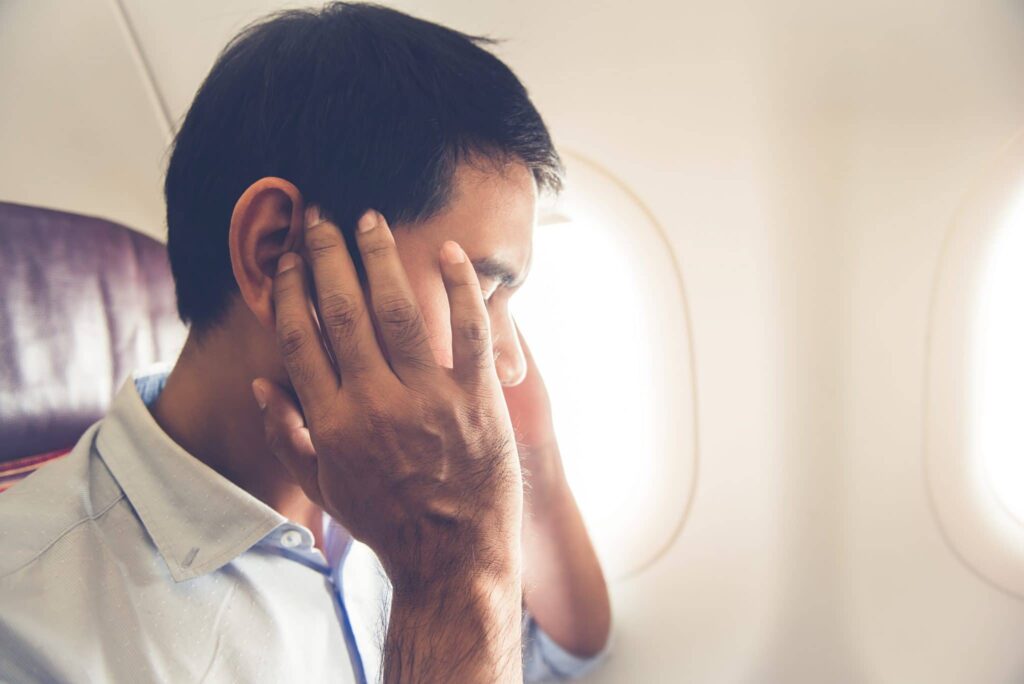
One of the most common ear issues while traveling is ear pain due to pressure changes during flight. This is known as ear barotrauma, and it occurs because the air pressure in the cabin is different from that inside your ears. Fortunately, there are several ways to minimize discomfort:
- Yawning and Swallowing: These actions help equalize the pressure between your middle ear and the cabin.
- Chewing Gum: The act of chewing also helps open the Eustachian tube, allowing air to flow and balance the pressure.
- Earplugs Designed for Flying: Specialized earplugs can help regulate the pressure changes during your flight, offering relief from discomfort.
- Stay Hydrated: Drinking water can help keep your Eustachian tubes functioning properly, reducing the chances of ear pressure buildup.
If you have a cold or nasal congestion, consider postponing your flight if possible, as these conditions can make it harder to equalize ear pressure.
-
Protect Your Ears from Loud Noises
Traveling often exposes us to loud environments, such as bustling city streets, concert venues, or public transportation systems. Noise-induced hearing loss is a real concern, especially when exposed to loud sounds for long periods of time.
- Use Ear Protection: Carry a pair of noise-canceling headphones or earplugs. These can help protect your ears when exposed to noisy surroundings, ensuring that you don’t suffer from hearing loss or tinnitus.
- Avoid Long Exposure: If you’re in a noisy environment, try to limit the amount of time you spend there. Taking breaks and giving your ears a rest will help prevent long-term damage.
- Turn Down the Volume: Whether you’re listening to music or a podcast, keep the volume at a reasonable level. If you can hear outside noise, it’s likely too loud.
-
Keep Your Ears Dry
Water trapped in the ears is a common issue for travelers, particularly for those who enjoy swimming or water sports. Moisture trapped in the ear canal can cause irritation or lead to ear infections such as otitis externa (swimmer’s ear). To avoid this:
- Use Earplugs or a Swim Cap: Before swimming, use waterproof earplugs or a swim cap to prevent water from entering your ears.
- Dry Your Ears Immediately: After swimming or showering, tilt your head to each side to allow water to drain from your ears. Gently dry your ears using a towel, and avoid inserting objects like cotton swabs into your ear canal.
- Use Alcohol-Based Ear Drops: Over-the-counter ear drops that contain alcohol can help dry out any remaining moisture in the ear, reducing the risk of infections.
-
Avoid Sudden Temperature Changes
Extreme temperature shifts, such as moving from a warm, humid environment to a cold, dry one, can irritate the sensitive skin in your ear canal and increase your risk of ear infections. Keep your ears protected by:
- Covering Your Ears: In cold climates, wear a hat, earmuffs, or a scarf to keep your ears warm and dry.
- Avoid Sudden Changes in Temperature: Try to gradually adjust to new temperatures instead of making drastic changes. For example, when moving from the hot outdoors into an air-conditioned room, take a few minutes to acclimatize.
-
Keep Your Ears Clean
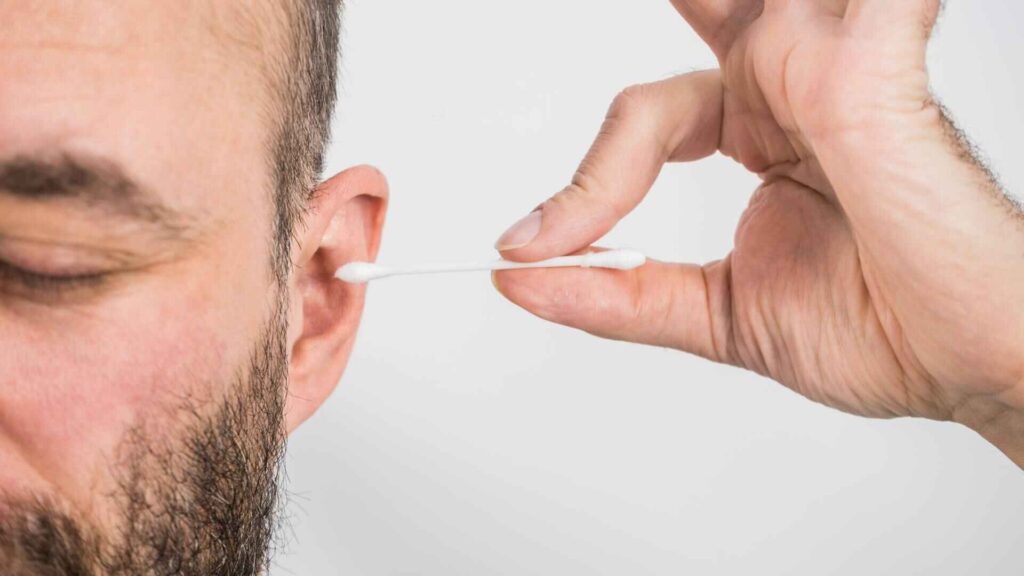
While traveling, it’s easy to neglect ear hygiene, but it’s important to keep your ears clean to avoid infections. Be gentle when cleaning your ears and avoid inserting cotton swabs, which can push debris further into the ear canal.
- Use a Soft Cloth or Ear Drops: Clean the outer part of your ears with a damp cloth, or use ear drops specifically designed for ear hygiene to clear out excess wax.
- Avoid Cleaning Inside the Ear Canal: Your ears have a natural mechanism for cleaning themselves, and using cotton swabs can disrupt this process, potentially causing irritation or injury.
-
Schedule a Pre-Travel ENT Checkup
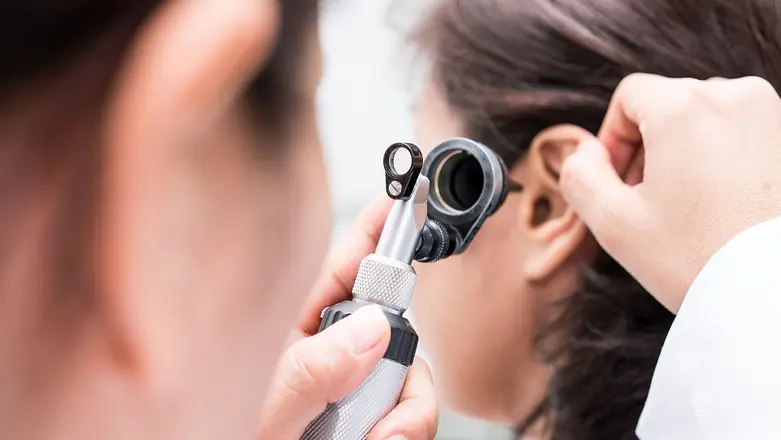
If you’re prone to ear problems, it’s a good idea to schedule a pre-travel consultation with an ENT specialist. Dr. Shalina Ray, one of the leading ENT specialists in Bangalore, can help ensure that your ears are in good health before you embark on your journey. A thorough ear examination can identify any potential issues, such as infections, wax buildup, or hearing problems, and provide you with recommendations for how to protect your ears during your travels.
-
Watch for Symptoms of Ear Issues
If you experience any discomfort or changes in your ear health during your trip, be proactive about seeking medical help. Some common signs that you may need professional care include:
- Persistent ear pain or pressure
- Difficulty hearing or a sensation of fullness in the ears
- Ringing in the ears (tinnitus)
- Discharge or fluid from the ear
- Fever or signs of infection
If you notice any of these symptoms, contact a local ENT specialist immediately to prevent further complications.
Conclusion
Taking the necessary steps to protect your ears while traveling will ensure that your trips remain enjoyable and free from ear-related health issues. By following these tips—such as managing ear pressure changes, protecting against loud noises, keeping your ears dry, and scheduling regular check-ups—you can safeguard your ear health and enjoy every adventure with peace of mind.
Contact Dr. Shalina Ray, one of the best ENT specialists in Bangalore, for personalized advice and to ensure your ear health is in optimal condition before your next trip.
Safe travels and healthy ears await!