Ear infections are among the most common reasons people visit an ENT specialist. While children are more likely to develop ear infections because of their developing immune systems and shorter Eustachian tubes, adults can also suffer from recurrent ear infections due to allergies, sinus infections, poor ear hygiene, swimming, or underlying medical conditions.
If you’ve experienced repeated ear pain, hearing difficulties, ear discharge, or a feeling of fullness in the ear, it’s important not to ignore these symptoms. Untreated ear infections can lead to hearing loss, damage to the eardrum, chronic infections, and balance problems.
At Dr. Shalina Ray Manipal Hospital in Whitefield, Bangalore, patients receive comprehensive evaluation and evidence-based treatment for both acute and chronic ear conditions. Early diagnosis helps prevent long-term complications and restores normal hearing and comfort.
Understanding Ear Infections
An ear infection occurs when bacteria, viruses, or fungi infect different parts of the ear.
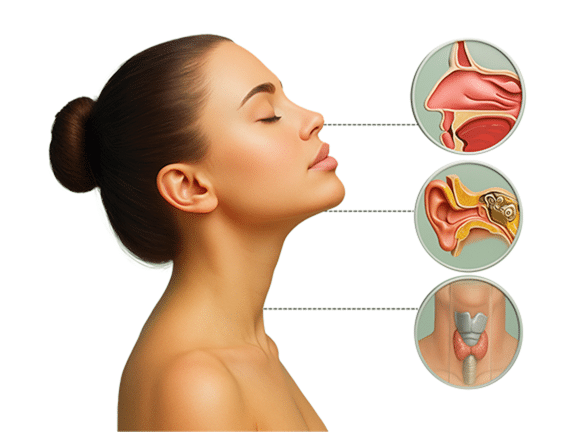
The ear consists of three main sections:
- Outer Ear
- Middle Ear
- Inner Ear
Depending on which part is affected, symptoms and treatment vary.
Types of Ear Infections
- Outer Ear Infection (Otitis Externa)
Often called “Swimmer’s Ear,” this infection affects the ear canal.
Common causes include:
- Excess moisture
- Swimming
- Earbud use
- Cotton bud injuries
- Skin allergies
- Eczema
Symptoms include:
- Ear pain
- Itching
- Swelling
- Ear discharge
- Pain while touching the ear
- Middle Ear Infection (Otitis Media)
This is the most common ear infection.
It usually develops after:
- Cold
- Flu
- Sinus infection
- Allergy
- Blocked Eustachian tube
Symptoms include:
- Earache
- Fever
- Hearing difficulty
- Pressure inside the ear
- Irritability in children
- Inner Ear Infection (Labyrinthitis)
Although less common, inner ear infections affect balance and hearing.
Symptoms include:
- Vertigo
- Severe dizziness
- Nausea
- Hearing loss
- Ringing in ears
Immediate ENT evaluation is recommended.
Why Do Ear Infections Keep Coming Back?
Recurring ear infections may indicate an underlying issue rather than a simple infection.
Common reasons include:
Allergies
Chronic allergies cause inflammation and blockage of the Eustachian tube.
Chronic Sinusitis
Persistent sinus infections often spread inflammation to the middle ear.
Enlarged Adenoids
More common in children, enlarged adenoids block proper ear drainage.
Poor Ear Hygiene
Cleaning ears with cotton buds pushes wax deeper, increasing infection risk.
Excess Earwax
Wax buildup traps bacteria and moisture.
Swimming
Frequent water exposure encourages bacterial growth.
Smoking
Smoking and secondhand smoke increase the risk of chronic ear infections.
Diabetes
People with uncontrolled diabetes are more prone to severe ear infections.
Common Symptoms You Should Never Ignore
Seek medical attention if you notice:
- Persistent ear pain
- Hearing loss
- Ear discharge
- Ringing in ears
- Fever
- Swelling around the ear
- Dizziness
- Balance problems
- Recurrent infections
- Ear fullness lasting more than two days
How ENT Specialists Diagnose Ear Infections
A proper diagnosis begins with a detailed clinical examination.
At Dr. Shalina Ray’s ENT Clinic, diagnosis may include:
Otoscopic Examination
A high-quality otoscope is used to inspect the ear canal and eardrum.
Ear Endoscopy
Provides a magnified view of the ear structures.
Hearing Test (Audiometry)
Measures the extent of hearing loss.
Tympanometry
Evaluates middle ear pressure and Eustachian tube function.
Culture Test
Performed when discharge persists or infections recur.
Treatment Options for Ear Infections
Treatment depends on the type and severity of infection.
Medications
Treatment may include:
- Antibiotics (when bacterial infection is confirmed)
- Antifungal medications
- Pain relievers
- Anti-inflammatory medicines
- Ear drops
Patients should avoid self-medicating with leftover antibiotics, as improper use may contribute to antibiotic resistance.
Ear Cleaning
Professional microscopic ear cleaning removes:
- Earwax
- Debris
- Infection material
Never attempt to clean the ear with sharp objects or cotton buds.
Drainage Procedures
Some patients with recurrent middle ear infections may require drainage procedures or ear tube insertion to prevent fluid accumulation and improve ventilation.
Surgery
In severe or chronic cases, surgery may be recommended for:
- Chronic ear infections
- Cholesteatoma
- Damaged eardrum
- Mastoid infections
Modern ENT surgery is safe, minimally invasive where appropriate, and focused on preserving hearing.
Home Care Tips
To reduce discomfort:
- Keep the ear dry
- Complete prescribed medication
- Avoid inserting objects into the ear
- Do not use over-the-counter ear drops without medical advice
- Stay hydrated
- Manage allergies promptly
Can Ear Infections Cause Hearing Loss?
Yes.
Repeated infections may damage:
- Eardrum
- Middle ear bones
- Cochlea
- Hearing nerve (rare)
Temporary hearing loss usually improves after treatment.
However, delayed treatment increases the risk of permanent hearing damage.
Ear Infections in Children
Children often experience:
- Frequent crying
- Ear pulling
- Poor feeding
- Fever
- Difficulty sleeping
- Temporary hearing problems
Parents should consult an ENT specialist rather than relying solely on home remedies, especially if symptoms persist or recur.
How to Prevent Ear Infections
Preventive measures include:
- Wash hands regularly
- Treat allergies promptly
- Avoid smoking
- Keep ears dry after swimming
- Avoid aggressive ear cleaning
- Stay vaccinated
- Manage sinus infections early
- Maintain good immunity through healthy nutrition
When Should You Visit an ENT Specialist?
Book an appointment if you have:
- Ear pain lasting more than 48 hours
- Hearing loss
- Repeated ear infections
- Ear discharge
- Persistent ringing
- Severe dizziness
- Swelling around the ear
- Balance problems
- High fever with ear pain
Prompt evaluation can prevent complications and improve treatment outcomes.
Why Choose Dr. Shalina Ray?
Dr. Shalina Ray is a highly experienced ENT Specialist in Whitefield, Bangalore, with over 25 years of expertise in diagnosing and managing complex ear, nose, and throat disorders. She provides patient-focused, evidence-based care using modern diagnostic techniques and individualized treatment plans.
Her areas of expertise include:
- Ear infections
- Hearing loss
- Vertigo
- Sinus disorders
- Voice disorders
- Pediatric ENT conditions
- Thyroid surgery
- Head and neck conditions
Patients from Whitefield, ITPL, Brookefield, Marathahalli, Hoodi, KR Puram, Kadugodi, Varthur, Mahadevapura, and surrounding areas trust Dr. Shalina Ray for compassionate and comprehensive ENT care.
Frequently Asked Questions
- Can adults get ear infections?
Yes. Adults may develop ear infections due to allergies, sinusitis, swimming, earwax buildup, or bacterial and viral infections.
- Are recurrent ear infections dangerous?
Repeated infections can damage hearing, the eardrum, and surrounding structures if left untreated.
- Is ear pain always caused by an infection?
No. Ear pain can also result from jaw disorders, impacted earwax, dental problems, throat infections, or nerve-related conditions. An ENT evaluation helps identify the exact cause.
- Should I use cotton buds to clean my ears?
No. Cotton buds often push wax deeper into the ear canal and may injure the eardrum or increase the risk of infection.
- How long does an ear infection usually take to heal?
Most uncomplicated ear infections improve within a few days to a week with appropriate treatment, though severe or chronic infections may require longer follow-up.
- Can untreated ear infections affect hearing permanently?
Yes. Delayed treatment can sometimes lead to permanent hearing loss or chronic ear disease, making early medical care important.
- Is swimming safe after an ear infection?
Swimming should generally be avoided until the infection has completely resolved and your ENT specialist confirms it is safe to resume.
- When should I see an ENT specialist instead of a general physician?
If symptoms persist beyond 48 hours, recur frequently, are associated with hearing loss, dizziness, ear discharge, or severe pain, consultation with an ENT specialist is recommended.