Introduction
Sleep is critical for health, but millions of people suffer from Obstructive Sleep Apnea (OSA) without realizing it. OSA is a disorder in which airflow is repeatedly blocked during sleep, causing disrupted rest, daytime fatigue, and long-term health risks.
ENT specialists, like Dr. Shalina, play a crucial role in diagnosing and treating OSA, especially when structural issues in the nose, throat, or airway are involved. This guide explains the causes, symptoms, diagnosis, and modern ENT treatment options for OSA.
What Is Obstructive Sleep Apnea?
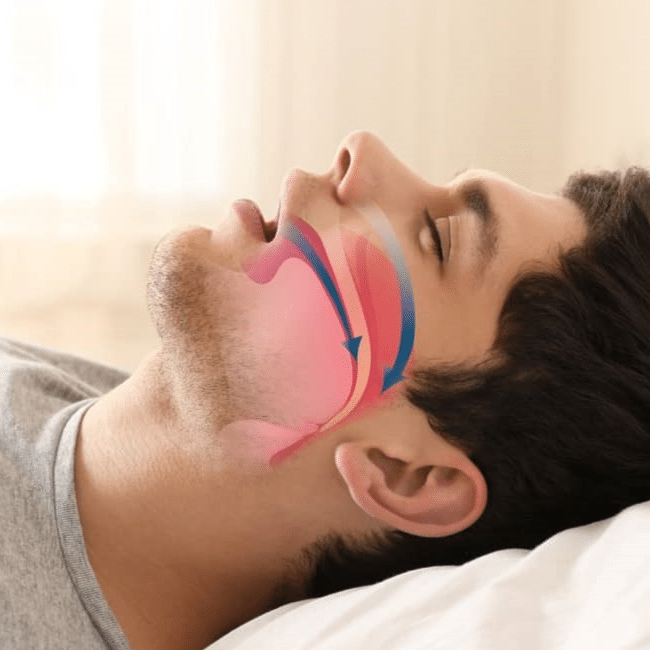
Obstructive Sleep Apnea occurs when the muscles at the back of the throat fail to keep the airway open, leading to pauses in breathing during sleep. These interruptions can last from a few seconds to over a minute, repeatedly disrupting sleep quality.
Key Features:
- Partial or complete airway obstruction
- Repeated sleep interruptions
- Oxygen level fluctuations
- Loud snoring and choking episodes
Common Causes of OSA
- Anatomical Factors
- Enlarged tonsils or adenoids
- Deviated septum
- Small jaw or recessed chin
- Excess tissue in the throat
- Obesity
Extra fatty tissue around the neck can compress the airway.
- Age and Muscle Tone
Muscle tone in the throat decreases with age, increasing airway collapse risk.
- Lifestyle Factors
Alcohol, sedatives, and smoking can worsen airway obstruction.
Symptoms of Obstructive Sleep Apnea
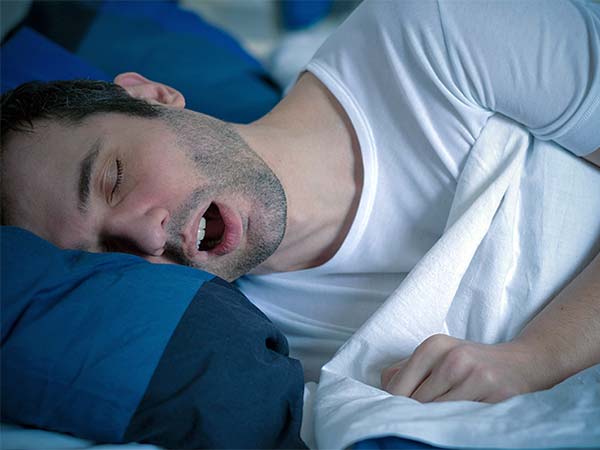
- Loud, persistent snoring
- Pauses in breathing observed during sleep
- Morning headaches
- Daytime fatigue and sleepiness
- Difficulty concentrating or memory problems
- Irritability and mood changes
- Dry mouth or sore throat in the morning
Many patients remain undiagnosed because they are unaware of nighttime symptoms.
Health Risks of Untreated OSA
Untreated sleep apnea can lead to serious complications:
- High blood pressure and heart disease
- Stroke risk increase
- Type 2 diabetes and insulin resistance
- Obesity and weight gain
- Poor cognitive function and mood disorders
Early detection is vital to prevent long-term consequences.
How ENT Specialists Diagnose OSA
- Detailed Clinical Evaluation
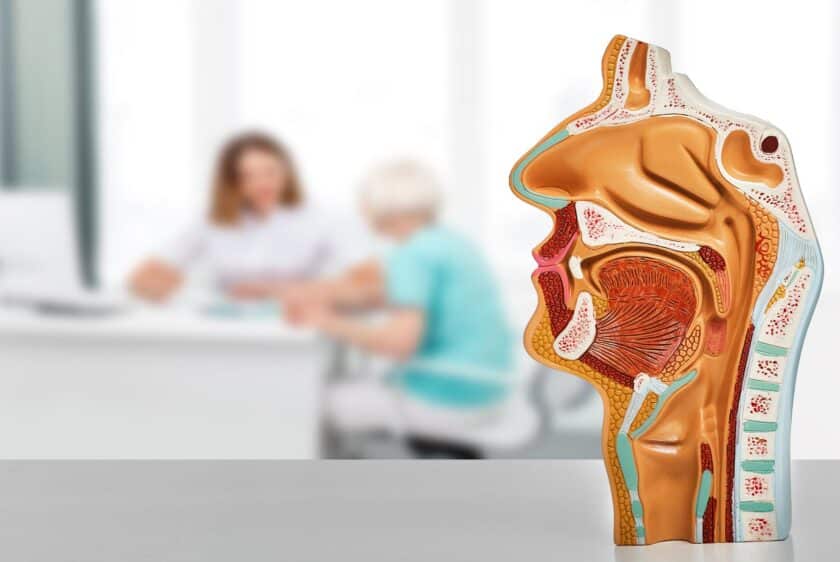
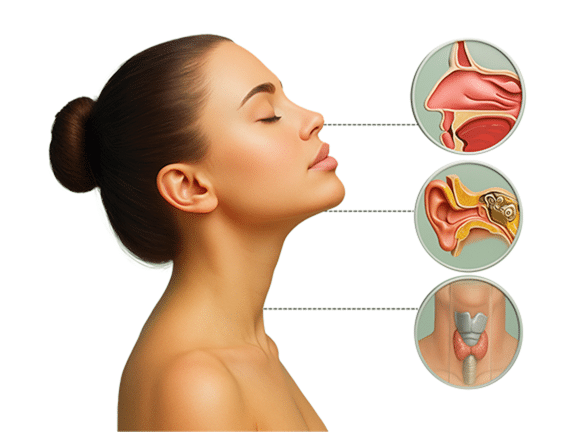
ENT doctors examine the nose, throat, and airway for structural blockages or abnormalities.
- Sleep Studies (Polysomnography)
Monitors:
- Oxygen levels
- Breathing patterns
- Heart rate
- Sleep cycles
- Imaging
CT or MRI scans may be used for complex cases to evaluate airway structure.
ENT Treatment Options for Sleep Apnea
- Surgical Options
ENT surgery can help remove or reduce airway obstructions, improving airflow:
- Tonsillectomy or Adenoidectomy – for enlarged tonsils/adenoids
- Uvulopalatopharyngoplasty (UPPP) – removes excess tissue in the throat
- Septoplasty – corrects deviated septum to improve airflow
- Radiofrequency tissue reduction – minimally invasive reduction of soft tissue
- Non-Surgical Interventions
- CPAP (Continuous Positive Airway Pressure) machines – keep the airway open during sleep
- Oral appliances – reposition the jaw and tongue to prevent airway collapse
- Lifestyle modifications: weight loss, avoiding alcohol before bed, quitting smoking
- Combination Approaches
Some patients benefit from a mix of surgical correction and CPAP or oral devices, tailored by the ENT specialist.
Lifestyle Tips to Support Sleep Health
- Maintain a healthy weight
- Sleep on your side instead of your back
- Avoid alcohol and sedatives before bedtime
- Practice good sleep hygiene (consistent sleep schedule, dark and quiet room)
- Treat allergies and nasal congestion promptly
When to Consult an ENT Specialist
Seek evaluation if you notice:
- Loud snoring or observed pauses in breathing
- Excessive daytime sleepiness
- Morning headaches or dry mouth
- Difficulty concentrating
- High blood pressure that is difficult to control
Early intervention improves sleep quality, heart health, and overall wellbeing.
Frequently Asked Questions (FAQs)
- Is sleep apnea only in overweight people?
No, OSA can occur in anyone with airway obstruction, regardless of weight.
2. Can snoring alone indicate OSA?
Snoring is a common symptom but does not always mean OSA. Sleep study evaluation is necessary.
3. Is surgery always required?
Not always. Surgery is considered when non-surgical options are insufficient or structural issues are present.
Conclusion
Obstructive Sleep Apnea is a serious condition that affects sleep quality, energy, and long-term health. With proper evaluation and treatment by an ENT specialist like Dr. Shalina, patients can experience better sleep, improved energy, and reduced health risks.
Don’t ignore loud snoring, daytime fatigue, or breathing pauses during sleep — early ENT consultation is key to restoring healthy, restorative sleep.