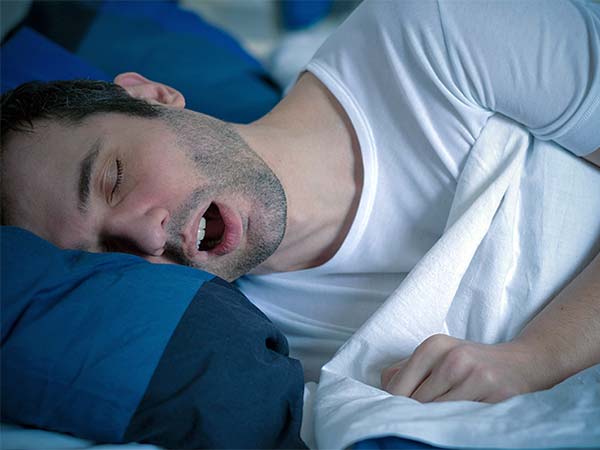
Many people consider snoring a harmless annoyance. It may disturb a partner’s sleep, trigger jokes among family members, or simply be accepted as a normal part of aging. However, persistent loud snoring can sometimes signal a more serious health condition known as Obstructive Sleep Apnea (OSA).
Sleep apnea affects millions of people worldwide, yet many remain undiagnosed for years. Left untreated, it can contribute to cardiovascular disease, high blood pressure, diabetes, fatigue, memory problems, and reduced quality of life.
As an experienced ENT Surgeon Bangalore, Dr. Shalina Ray frequently evaluates patients who initially seek help for snoring but are later diagnosed with sleep apnea. Early diagnosis and appropriate treatment can significantly improve sleep quality, overall health, and daily functioning.
This article explains the causes, symptoms, risks, diagnosis, and modern ENT treatment options for sleep apnea.
What Is Obstructive Sleep Apnea?
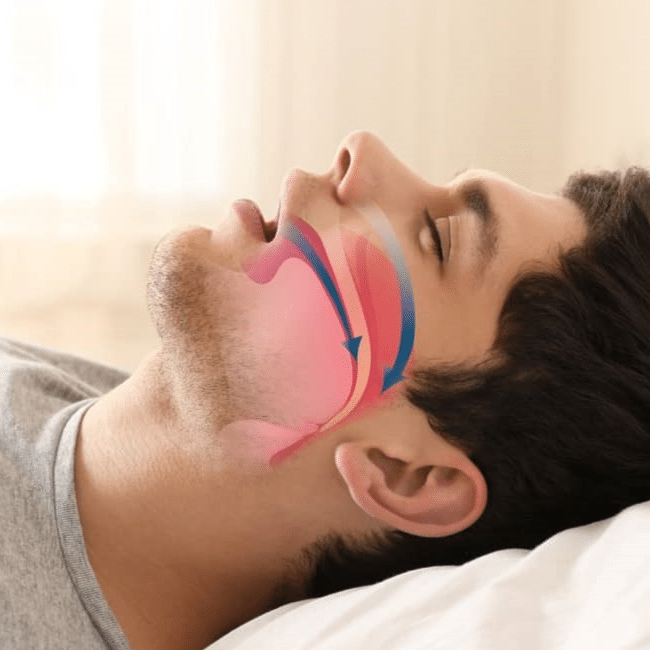
Obstructive Sleep Apnea (OSA) is a sleep disorder in which the airway repeatedly becomes partially or completely blocked during sleep.
When this happens:
- Breathing temporarily stops
- Oxygen levels drop
- The brain briefly awakens the body
- Sleep becomes fragmented
These interruptions may occur dozens or even hundreds of times during a single night.
Many patients are unaware these episodes are occurring because they happen while sleeping.
Why Does Sleep Apnea Occur?
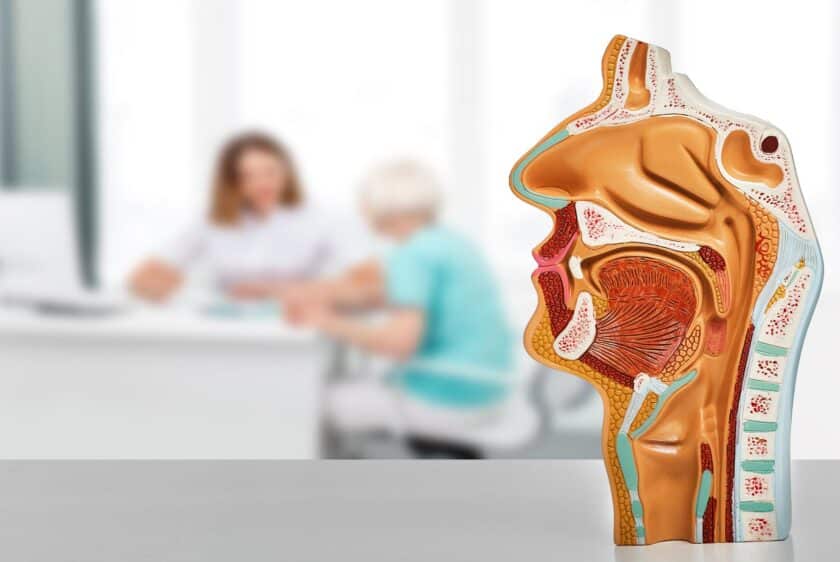
The throat contains soft tissues that help with breathing, swallowing, and speech.
During sleep, these tissues naturally relax. In some individuals, excessive relaxation narrows or blocks the airway.
Common causes include:
Enlarged Tonsils
Large tonsils can obstruct airflow, especially in children and young adults.
Deviated Nasal Septum (DNS)
A significantly deviated septum may reduce nasal airflow and worsen breathing during sleep. ENT specialists often evaluate structural nasal issues in patients with sleep-disordered breathing.
Nasal Polyps
These benign growths can block the nasal passages and increase airway resistance.
Obesity
Excess fat around the neck and throat increases the likelihood of airway collapse.
Enlarged Tongue Base
The tongue may fall backward during sleep, blocking airflow.
Aging
Muscle tone naturally decreases with age, increasing airway collapse risk.
Family History
Certain inherited facial and airway structures may predispose individuals to sleep apnea.
Common Symptoms of Sleep Apnea
Many patients seek help only after family members notice concerning symptoms.
Watch for:
During Sleep
- Loud chronic snoring
- Gasping for air
- Choking sensations
- Breathing pauses observed by others
- Restless sleep
- Frequent awakenings
During the Day
- Morning headaches
- Dry mouth upon waking
- Excessive daytime sleepiness
- Difficulty concentrating
- Irritability
- Fatigue despite adequate sleep duration
- Reduced work productivity
If these symptoms are present, an evaluation by the best otolaryngologist in Whitefield or a sleep specialist is strongly recommended.
Why Ignoring Sleep Apnea Can Be Dangerous
Many people underestimate the long-term consequences of untreated sleep apnea.
High Blood Pressure
Repeated oxygen deprivation can increase blood pressure levels and strain the cardiovascular system.
Heart Disease
Sleep apnea is associated with:
- Coronary artery disease
- Heart rhythm abnormalities
- Heart failure
Stroke
Reduced oxygen levels and vascular stress may increase stroke risk.
Type 2 Diabetes
Research has demonstrated a strong relationship between sleep apnea and insulin resistance.
Mental Health Effects
Poor sleep can contribute to:
- Anxiety
- Depression
- Mood instability
Increased Accident Risk
Daytime drowsiness significantly increases the likelihood of workplace and driving accidents.
Who Is at Higher Risk?
Several factors increase susceptibility to sleep apnea.
You may be at higher risk if you:
- Are overweight or obese
- Have a large neck circumference
- Have chronic nasal obstruction
- Smoke regularly
- Consume alcohol before bedtime
- Have a family history of sleep apnea
- Suffer from allergies affecting nasal breathing
- Have enlarged tonsils or adenoids
Although more common in middle-aged adults, sleep apnea can affect individuals of any age.
How an ENT Specialist Diagnoses Sleep Apnea
An experienced ENT surgeon Bangalore plays a crucial role in identifying airway-related causes.
Detailed Medical History
Your doctor will ask about:
- Snoring patterns
- Sleep quality
- Daytime fatigue
- Existing medical conditions
Physical Examination
The ENT examination may include evaluation of:
- Nose
- Septum
- Tonsils
- Tongue base
- Throat anatomy
Nasal Endoscopy
A minimally invasive procedure that allows visualization of the nasal passages and upper airway.
Sleep Study (Polysomnography)
This is considered the gold standard for diagnosis.
The study measures:
- Oxygen levels
- Breathing patterns
- Heart rate
- Sleep stages
- Airflow
The results help determine the severity of sleep apnea.
Modern Treatment Options for Sleep Apnea
Treatment depends on the severity of the condition and underlying anatomical causes.
Lifestyle Modifications
For mild cases, lifestyle changes can provide significant improvement.
These include:
- Weight reduction
- Regular exercise
- Avoiding alcohol before bedtime
- Smoking cessation
- Sleeping on the side
CPAP Therapy
Continuous Positive Airway Pressure (CPAP) remains one of the most effective treatments for moderate to severe sleep apnea.
The device:
- Delivers pressurized air
- Keeps the airway open
- Prevents breathing interruptions
Many patients experience immediate improvement in sleep quality and daytime alertness.
Oral Appliances
Customized dental devices can reposition the jaw and tongue to improve airflow.
These are particularly useful in selected mild to moderate cases.
ENT Surgical Treatments for Sleep Apnea
When structural airway obstruction contributes significantly, surgery may be recommended.
Septoplasty
Corrects a deviated nasal septum and improves nasal breathing.
Turbinate Reduction
Reduces enlarged nasal tissues that block airflow.
Tonsillectomy
Removal of enlarged tonsils can significantly improve breathing.
Adenoidectomy
Often performed in children with sleep-disordered breathing.
Uvulopalatopharyngoplasty (UPPP)
This procedure removes excess tissue from the throat to widen the airway.
Tongue Base Procedures
Advanced techniques can reduce airway obstruction caused by tongue collapse.
Multilevel Airway Surgery
Some patients benefit from combined procedures targeting multiple areas of obstruction.
An experienced best otolaryngologist in Whitefield can determine the most appropriate treatment plan based on comprehensive evaluation.
Sleep Apnea in Children
Children can also develop sleep apnea.
Warning signs include:
- Loud snoring
- Mouth breathing
- Poor school performance
- Behavioral problems
- Bedwetting
- Restless sleep
Enlarged tonsils and adenoids are among the most common causes.
Early diagnosis can improve growth, concentration, and overall development.
Tips for Better Sleep and Airway Health
Maintaining healthy sleep habits can complement medical treatment.
Maintain a Healthy Weight
Even modest weight loss can reduce symptoms.
Manage Allergies
Allergic nasal congestion can worsen airway obstruction.
Stay Physically Active
Exercise improves respiratory health and sleep quality.
Avoid Sedatives Without Medical Advice
Certain medications may increase airway relaxation.
Establish a Consistent Sleep Schedule
Regular sleep patterns support better sleep quality.
When Should You Consult an ENT Specialist?
Seek medical attention if you experience:
- Persistent loud snoring
- Witnessed breathing pauses
- Frequent choking during sleep
- Morning headaches
- Daytime sleepiness
- Difficulty concentrating
- Chronic nasal blockage
Early intervention can prevent serious health complications and improve overall quality of life.
Expert Care from Dr. Shalina Ray
Dr. Shalina Ray is a highly experienced ENT specialist and Head & Neck Surgeon with extensive clinical expertise in diagnosing and treating complex ear, nose, and throat conditions. With experience across India, the UK, and the USA, she provides evidence-based, patient-centered care for conditions including sleep apnea, snoring disorders, nasal obstruction, sinus disease, and airway problems.
Patients seeking an experienced ENT Surgeon Bangalore and best otolaryngologist in Whitefield can benefit from comprehensive evaluation and personalized treatment plans designed to restore healthy breathing and improve quality of life.
Frequently Asked Questions (FAQs)
- Is snoring always a sign of sleep apnea?
No. While many people snore without having sleep apnea, loud chronic snoring accompanied by breathing pauses, choking episodes, or excessive daytime sleepiness should be evaluated by an ENT specialist.
- Can sleep apnea be cured?
Many patients achieve significant improvement or complete resolution depending on the underlying cause. Treatment options include lifestyle changes, CPAP therapy, oral appliances, and ENT surgery.
- How is sleep apnea diagnosed?
A sleep study (polysomnography) is the most accurate diagnostic test. ENT examination and airway assessment also play important roles.
- Can a deviated septum cause sleep apnea?
A deviated septum may contribute to breathing difficulties and worsen sleep-disordered breathing. In selected cases, septoplasty can improve airflow and sleep quality.
- Is sleep apnea dangerous?
Yes. Untreated sleep apnea may increase the risk of high blood pressure, heart disease, stroke, diabetes, and accidents caused by daytime sleepiness.
- Can children develop sleep apnea?
Yes. Enlarged tonsils and adenoids are common causes of pediatric sleep apnea and should be evaluated by an ENT specialist.
- When should I see an ENT doctor for snoring?
If snoring is frequent, loud, associated with breathing pauses, choking episodes, fatigue, or poor sleep quality, an ENT consultation is recommended.
Final Thoughts
Snoring should never be dismissed as merely a nighttime nuisance. For many individuals, it may be an early warning sign of obstructive sleep apnea—a condition that can affect cardiovascular health, cognitive performance, and overall well-being. With timely diagnosis and appropriate treatment from an experienced ENT Surgeon Bangalore, patients can enjoy better sleep, improved energy levels, and long-term health benefits. If persistent snoring or sleep-related breathing issues are affecting your life, consulting Dr. Shalina Ray may be the first step toward healthier sleep and better health.