Chronic Otitis Media (COM) is an ongoing ear condition that affects many individuals worldwide, leading to hearing loss, discomfort, and potential complications. It refers to persistent inflammation or infection of the middle ear, often accompanied by fluid buildup. This condition can significantly impact quality of life, and it’s essential to understand its causes, symptoms, and treatment options to manage it effectively.
Dr. Shalina Ray, a renowned ENT specialist in Bangalore, provides comprehensive insights into Chronic Otitis Media, its underlying causes, symptoms, and the most effective treatment options available.
What is Chronic Otitis Media?
Chronic Otitis Media is a long-term or recurring infection in the middle ear. Unlike acute ear infections, which are short-lived, Chronic Otitis Media persists for several weeks or even months. The condition is characterized by ongoing inflammation and fluid accumulation behind the eardrum. In some cases, it may result in damage to the structures of the ear, including the eardrum, bones of the middle ear, and the surrounding tissue.
This condition can lead to hearing loss, pain, and in more severe cases, complications that affect the inner ear and surrounding structures.
Causes of Chronic Otitis Media
Chronic Otitis Media occurs when the middle ear, located behind the eardrum, becomes inflamed or infected for an extended period. The most common causes of COM include:
- Frequent Acute Ear Infections: Recurrent ear infections, particularly in children, can lead to the development of chronic otitis media if the infection is not fully treated or if it recurs frequently.
- Eustachian Tube Dysfunction: The Eustachian tube is responsible for balancing pressure in the middle ear. When this tube becomes blocked or does not function properly, it can lead to fluid buildup in the ear and chronic infection.
- Allergies: Allergic reactions can contribute to inflammation and fluid accumulation in the middle ear, making it more prone to infection and chronic otitis media.
- Sinus Infections or Upper Respiratory Infections: Sinus infections, colds, and other respiratory infections can spread to the middle ear, leading to chronic inflammation and infection.
- Exposure to Secondhand Smoke or Pollutants: Environmental factors such as exposure to smoke or air pollutants can irritate the ear and increase the risk of developing otitis media.
- Barotrauma (Pressure Injuries): Sudden changes in pressure, such as those experienced while flying or diving, can cause damage to the ear, leading to infection and chronic otitis media.
- Anatomical Issues: Some individuals may be more susceptible to chronic ear infections due to structural issues in the ear, such as a malformed Eustachian tube or a cleft palate.
Symptoms of Chronic Otitis Media
The symptoms of Chronic Otitis Media can vary from person to person, but the most common signs include:
- Ear Pain or Discomfort: Although the pain is often less severe than that of acute ear infections, there can be a persistent dull ache or fullness in the affected ear.
- Hearing Loss: Fluid buildup in the middle ear can block sound transmission, leading to hearing loss. This is one of the most common symptoms of COM, which can range from mild to severe.
- Discharge from the Ear: A thick, yellow, or foul-smelling discharge (otorrhea) can drain from the ear. This is often a sign of infection.
- Ear Congestion or Fullness: A sensation of fullness or pressure in the ear, similar to the feeling of having water in the ear, is commonly experienced by individuals with COM.
- Balance Issues: Some individuals may experience dizziness or balance problems due to the inflammation in the ear and its impact on the inner ear.
- Tinnitus (Ringing in the Ears): Persistent ringing or buzzing sounds in the ear can also be a symptom of Chronic Otitis Media, especially when fluid or infection affects the ear structures.
Diagnosis of Chronic Otitis Media
If you suspect you have Chronic Otitis Media, it’s essential to seek medical attention from a qualified ENT specialist, such as Dr. Shalina Ray in Bangalore. Diagnosing COM involves a thorough evaluation of the ear and medical history. Common diagnostic techniques include:
- Physical Examination: The doctor will examine the ear using an otoscope to look for signs of fluid, infection, or damage to the eardrum.
- Audiometry: Hearing tests are conducted to assess the extent of hearing loss caused by the condition. These tests help determine the appropriate course of treatment.
- Tympanometry: This test measures the pressure in the middle ear and can help detect fluid buildup, Eustachian tube dysfunction, or other abnormalities.
- CT Scans or MRIs: In more complex cases, imaging tests may be used to evaluate the condition of the ear and surrounding structures, particularly if there are concerns about structural damage.
Treatment Options for Chronic Otitis Media
Treatment for Chronic Otitis Media depends on the severity of the condition, the underlying causes, and the presence of complications. Some common treatment options include:
- Antibiotics: If an infection is present, antibiotics may be prescribed to control the bacterial growth. However, chronic infections may require long-term or stronger antibiotics to resolve the issue.
- Steroid Ear Drops: Steroid ear drops can help reduce inflammation and relieve discomfort. These drops are often used in conjunction with antibiotics.
- Surgical Intervention: In cases where fluid buildup persists or the eardrum has been perforated, surgery may be necessary. The most common procedures include:
- Myringotomy: A small incision is made in the eardrum to drain fluid from the middle ear.
- Tympanoplasty: This surgery involves repairing a perforated eardrum and may include the removal of any infected tissue.
- Mastoidectomy: In rare cases, if the infection spreads to the mastoid bone behind the ear, surgery to remove the infected bone tissue may be required.
- Ear Tubes: For recurrent cases, doctors may recommend inserting small tubes into the eardrum to allow fluid to drain and prevent future infections. These tubes often fall out on their own after several months.
- Allergy Management: If allergies contribute to the condition, antihistamines, nasal decongestants, or allergy shots may be recommended to reduce inflammation and fluid buildup.
- Hearing Aids: In cases where hearing loss is significant, hearing aids may be prescribed to improve auditory function.
Prevention of Chronic Otitis Media
While not all cases of Chronic Otitis Media can be prevented, there are several steps you can take to reduce your risk:
- Avoiding Smoking: Limit exposure to tobacco smoke and air pollutants, as these can irritate the ear and lead to infections.
- Managing Allergies: Control allergies through medications to reduce the risk of inflammation and ear infections.
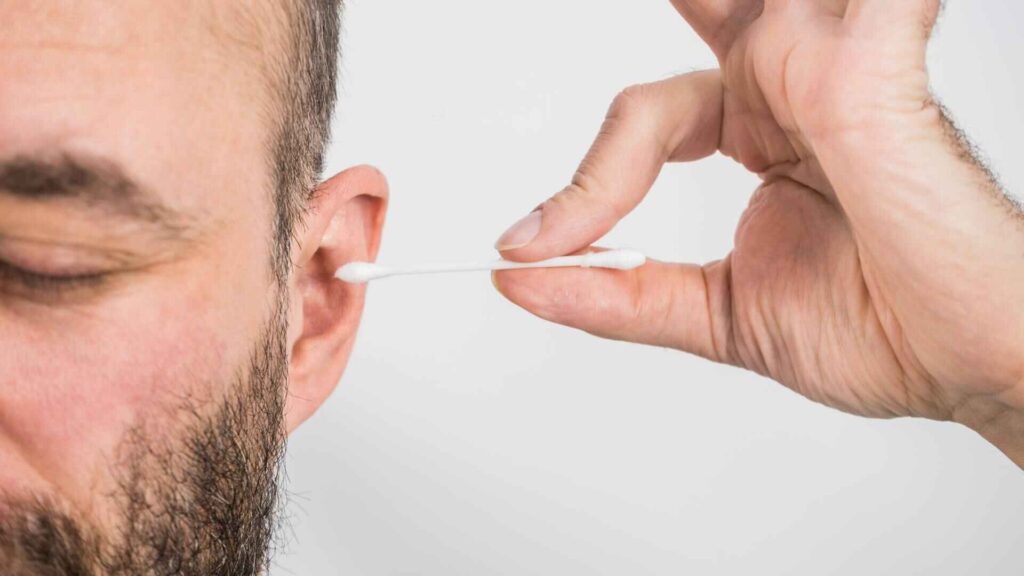
- Regular Ear Hygiene: Clean the outer part of your ears gently, but avoid inserting objects like cotton swabs into the ear canal.
- Treating Upper Respiratory Infections Early: If you have a cold or sinus infection, seek treatment early to prevent the infection from spreading to the ears.
- Seek Medical Attention Promptly: If you experience recurrent ear infections or persistent ear discomfort, consult an ENT specialist like Dr. Shalina Ray for timely diagnosis and treatment.
Conclusion
Chronic Otitis Media can be a challenging condition to manage, but with early detection and appropriate treatment, it is possible to control symptoms and prevent further complications. If you or a loved one is experiencing any signs of ear problems, contact Dr. Shalina Ray, the best ENT specialist in Bangalore, for expert advice and care. Early intervention can make a significant difference in protecting your ear health and restoring your hearing function.
Don’t wait for your symptoms to worsen—schedule a consultation with Dr. Shalina Ray today!