Introduction: Why It Matters to Learn the Difference.
Rhinopharyngal congestion, face pressure, headache pounding–a sinus infection or allergies? Millions of people are frustrated annually by this question, and its answer is incorrect, which will cost days of unsuccessful treatment and non-essential pain.
Knowledge of sinus infection vs allergy is not just a matter of study, but rather a matter of getting the correct type of treatment immediately so that you are able to breathe and move on with life. Although they both cause you to be miserable, they are caused by different causes, are treated differently, and they can also have a different complication when neglected.
Sinu Infections and Allergies Definitions.
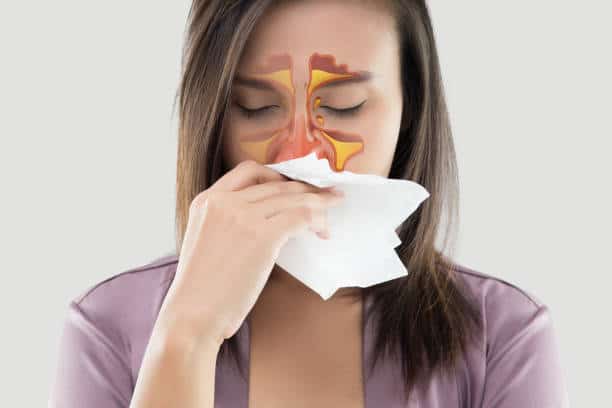
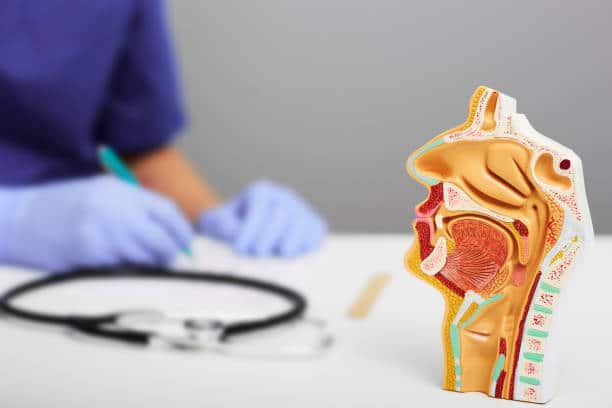
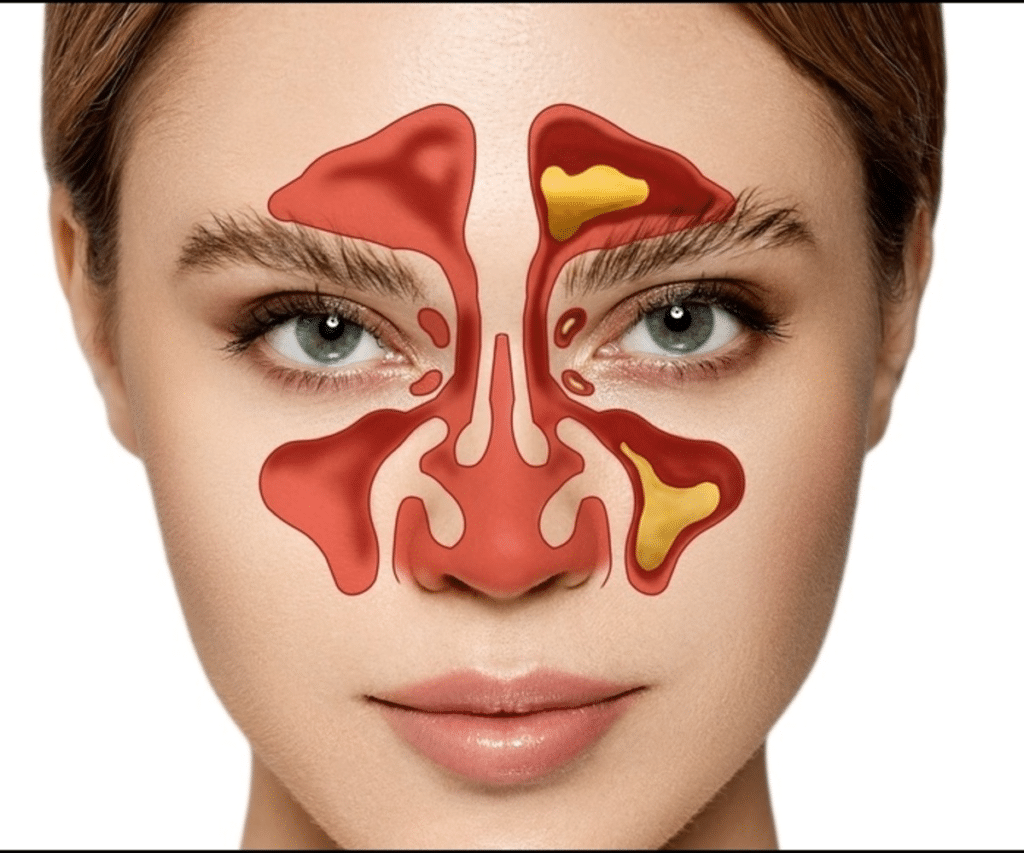
Sinus Infection (Sinusitis): Bowel and swelling of sinus cavities of your nose and eyes normally due to bacterial, viral, or fungal infection. This obstructs drainage channels of the mucus and forms infection. Sinusitis may be acute (less than 4 weeks), subacute (4-12 weeks) or chronic (more than 12 weeks).
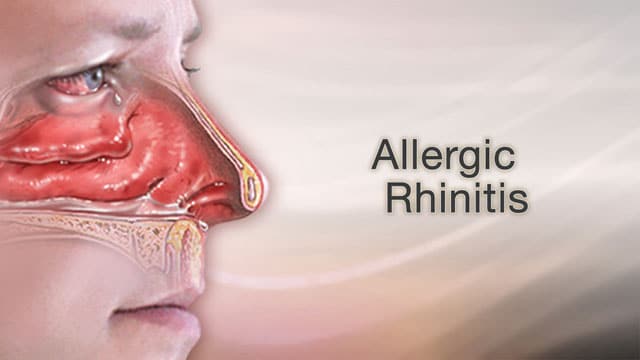
Allergies (Allergic Rhinitis): Excessive reaction of the immune system to non-infectious diseases, such as pollen, dust mites, and pet dander, or mould. This initiates nasal allergy leading to sneezing, congestion, and runny nose. In contrast to infections, allergies are not transmittable and do not occur due to an invasion of other organisms but because of the immune system.
Major difference: The first deals with real diseases with real pathogens causing sickness; the latter are your immune system thinking harmless things are toxic and attacking them.
Causes & Risk Factors
Sinus Infection Causes:
- Sinus drainage is blocked by viral infections (common cold).
- Complications in the form of bacterial infection.
- Infection with the fungus in immunocompromised people.
- Anatomical problems (deviated septum, nasal polyp)
- Sinuses being infected with dental infections.
Risk Factors include: Smoking, depressed immunity, recent respiratory infection, nasal allergies, structural abnormalities, air pollution.
Allergy Causes:
- Allergens in the environment: Pollen, moulds, pet dander.
- Seasonal allergens: Spring/Fall pollen; winter indoor allergen.
Risk Factors: Family history, childhood asthma/eczema, smoke exposure, pollution.
Symptoms & Red Flags
Sinus Infection Symptoms:
- Nares Thick, yellow-green nasal discharge.
- Pain facial/pressure (worse when bending forward).
- Tooth pain or sinus headache
- Reduced smell
- Fever (with sinusitis due to bacteria, in particular)
- Bad breath
- Fatigue
- The symptoms improve after initial cold improvement.
Allergy Symptoms:
- Clear, thin, watery discharge
- Itchy nose, eyes, throat, ears
- Frequent sneezing
- Watery, red, itchy eyes
- Dark under-eye circles
- No fever
- Activated by special exposures.
- Seasonal patterns
Critical Red Flags:
- Extreme head ache with stiff neck.
- Swelling of the eyes or blurred vision.
- High fever (over 102degF/39degC)
- Confusion
- Symptoms and longer than 10 days without improvement.
- Severe facial swelling
Diagnosis Process
Clinical Assessment: Symptom history review, medical history, physical examination, examination of nasal passages.
For Allergies:
- Skin prick testing
- Blood tests (IgE testing)
- Nasal endoscopy
For Sinus Infection:
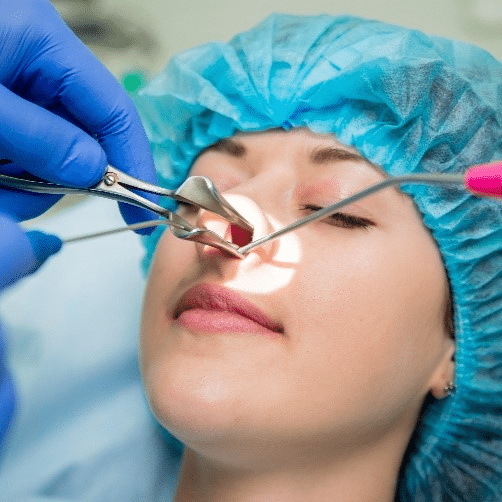
- Nasal endoscopy
- CT scan for detailed imaging
- Bacteria identification by culture of mucus.
- Elimination of triggers by allergy testing.
Treatment Options
Allergy Treatment:
Medications:
- Antihistamines (cetirizine, loratadine)
- Sprays of nasal corticosteroids.
- Decongestants (short-term)
- Leukotriene modifiers
Immunotherapy: Vaccine immunotherapy or sublingual immunodeficiency drug allergy shots.
Sinus Infection Treatment:
Conservative:
- Saline nasal irrigation
- Decongestants
- Pain relievers
- Sprays of nasal corticosteroids.
Antibiotics: In bacterial infection more than 10 days of symptoms; or serious symptoms.
Surgical:
- Functional Endoscopic Sinu Surgery (FESS).
- Balloon sinuplasty
- Septoplasty of deviated septum.
Lifestyle/Prevention: ENT Sinu Care Ideas.
Allergy Prevention:
- Use allergen-proof bedding
- Maintain 30-50% humidity
- Take a shower following outdoor exposure to high levels of pollen.
- Use HEPA air filters
- Close windows when there is allergy season.
- Regular cleaning
Sinus Infection Prevention:
- Good hand hygiene
- Avoid smoking
- Stay hydrated (8-10 glasses daily)
- Wet the dry places with humidifiers.
- Regular saline nasal rinses
- Control allergies successfully.
- Adequate sleep
Dietary Tips:
- Anti-inflammatory foods (omega-3s, curmeric, ginger)
- Adequate vitamin C and zinc
- Limit dairy when it raises mucus.
- Stay hydrated
When to See an ENT Specialist
See an ENT specialist because of:
- Consistent sinus infection (3+/year)
- Sinusus continued over 12 weeks.
- Continued symptoms with treatment.
- Possibly structural abnormalities.
- Extreme allergies and quality of life.
- Blindness or swelling of the eyes.
- Frequent nosebleeds
- Loss of smell or taste
Preventive consultation with specialists at an early stage eliminates complications and determines underlying problems.
Summary: Be in Control of Your Sinu Health.
Knowing the difference between sinus infection and allergy will enable you to treat fast. The management of allergies is based on long-term therapy aimed at the avoidance of allergens and immune regulation, and the treatment of sinus infections is aimed at clearing infection and maintaining drainage.
Being able to differentiate between the signs of sinus allergy and the signs of an infection makes you know when you can deal with the issue without a professional and when it is necessary to seek medical assistance. Don’t allow constant sin in your life to decrease the quality of life.
Consult a healthcare provider in case the symptoms do not disappear after a week or deteriorate after improving, or they involve red flags. An ENT specialist is a full-fledged evaluator, correct diagnostic, and individual treatment provider-making you breathe more easily, and live better.
With these ENT sinus care prevention tips and timely treatment, in case of need, related to the sinuses can keep them in good health and fully operating. Your sinuses are to be well taken care of,-do it to-day, and put your foot in the door.