Introduction
A temporary change in voice after shouting at a concert or recovering from a cold is common. However, if your voice frequently sounds rough, strained, weak, or hoarse without improvement, it may indicate an underlying ENT condition that requires medical attention.
Voice problems are becoming increasingly common among teachers, singers, public speakers, call center employees, business professionals, and even students due to excessive voice use, pollution exposure, stress, and lifestyle habits.
In cities like Bangalore, factors such as air pollution, smoking, acid reflux, allergies, and respiratory infections often contribute to chronic throat irritation and vocal cord problems.
This blog explains the causes of hoarseness, warning signs, treatment options, prevention tips, and when you should consult an ENT specialist.
What Is Hoarseness?
Hoarseness refers to an abnormal change in voice quality. Your voice may sound:
- Raspy
- Breathless
- Weak
- Strained
- Rough
- Deeper than usual
Hoarseness itself is not a disease but a symptom of irritation or problems affecting the vocal cords (voice box/larynx).
How the Voice Works
The voice is produced when air from the lungs passes through the vocal cords located inside the larynx. The vocal cords vibrate to create sound.
When the vocal cords become swollen, irritated, inflamed, or damaged, the voice changes.
Even small abnormalities in the vocal cords can significantly affect speech quality.
Common Causes of Hoarseness
There are several reasons why your voice may keep changing.
- Voice Overuse or Strain
Excessive talking, shouting, singing loudly, or speaking for long hours can strain the vocal cords.
This is especially common among:
- Teachers
- Singers
- Fitness trainers
- Public speakers
- Customer service professionals
Repeated strain can cause swelling or small vocal cord nodules.
- Viral Infections
Common cold, flu, and throat infections frequently cause temporary hoarseness due to inflammation of the larynx.
Symptoms may include:
- Sore throat
- Fever
- Cough
- Nasal congestion
- Voice loss
Most cases improve within a few days.
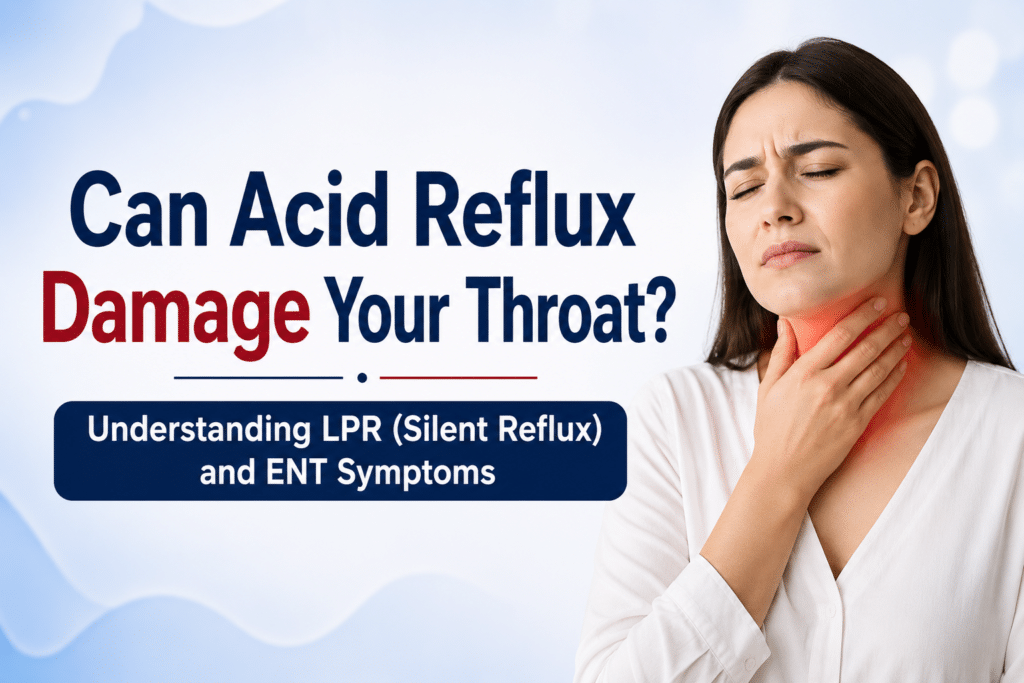
- Acid Reflux (LPR/GERD)
Acid reflux is one of the most overlooked causes of chronic hoarseness.
In laryngopharyngeal reflux (LPR), stomach acid travels upward and irritates the throat and vocal cords.
Common signs include:
- Frequent throat clearing
- Bitter taste in the mouth
- Morning hoarseness
- Chronic cough
- Sensation of something stuck in the throat
Many patients may not even experience heartburn.
- Allergies
Allergies can irritate the throat and cause mucus buildup, leading to repeated throat clearing and vocal strain.
Triggers may include:
- Dust
- Pollution
- Pollen
- Smoke
- Strong perfumes
Bangalore’s urban pollution levels often worsen allergy-related throat irritation.
- Smoking and Tobacco Use
Smoking directly damages the vocal cords and increases the risk of chronic laryngitis and throat cancer.
Tobacco exposure can cause:
- Persistent hoarseness
- Chronic cough
- Throat irritation
- Voice deepening
Long-term smokers should never ignore persistent voice changes.
- Vocal Cord Nodules or Polyps
Repeated voice strain can lead to noncancerous growths on the vocal cords.
These growths may cause:
- Rough voice
- Difficulty speaking loudly
- Voice fatigue
- Pitch changes
Professional voice users are at higher risk.
- Thyroid Problems
Thyroid swelling or thyroid surgery can sometimes affect nearby nerves controlling the vocal cords.
This may lead to:
- Weak voice
- Difficulty projecting speech
- Breathiness
ENT evaluation is important in such cases.
- Neurological Conditions
Certain neurological disorders may affect vocal cord movement.
Examples include:
- Vocal cord paralysis
- Parkinson’s disease
- Stroke-related nerve damage
These conditions require specialized ENT assessment.
- Throat Cancer
Persistent hoarseness lasting more than 2–3 weeks may occasionally indicate throat or laryngeal cancer, especially in smokers and tobacco users.
Warning signs include:
- Difficulty swallowing
- Blood in saliva
- Neck swelling
- Unexplained weight loss
- Ear pain
- Persistent cough
Early diagnosis greatly improves treatment outcomes.
Symptoms That Should Not Be Ignored
Seek medical attention if you experience:
- Hoarseness lasting more than 2 weeks
- Pain while speaking
- Difficulty swallowing
- Breathing difficulty
- Recurrent voice loss
- Persistent throat irritation
- Lump sensation in the throat
- Chronic cough
- Neck swelling
Persistent symptoms should always be evaluated by an ENT specialist.
How ENT Specialists Diagnose Voice Problems
Accurate diagnosis is essential because treatment depends on the underlying cause.
Medical History and Voice Assessment
The doctor evaluates:
- Symptom duration
- Smoking history
- Voice usage patterns
- Associated symptoms
Laryngoscopy
A small camera is used to examine the vocal cords and throat.
This helps detect:
- Swelling
- Nodules
- Polyps
- Infection
- Vocal cord paralysis
- Tumors
Voice Analysis
Specialized assessment may be recommended for professional voice users.
Imaging Tests
CT scan or MRI may be advised in selected cases.
Treatment Options for Hoarseness
Treatment depends on the exact cause.
Voice Rest
Reducing excessive speaking allows the vocal cords to heal.
Hydration
Drinking enough water keeps the vocal cords lubricated.
Medications
Doctors may prescribe:
- Anti-reflux medicines
- Allergy medications
- Antibiotics (when necessary)
- Anti-inflammatory medications
Voice Therapy
Speech therapy helps improve voice technique and reduce strain.
This is especially useful for singers, teachers, and public speakers.
Surgical Treatment
Surgery may be needed for:
- Vocal cord polyps
- Nodules
- Cysts
- Tumors
Modern ENT procedures are minimally invasive in many cases.
Home Care Tips for Better Voice Health
Simple habits can help maintain healthy vocal cords.
Do:
- Drink plenty of water
- Use microphones during presentations
- Rest your voice when sick
- Avoid smoking
- Manage acid reflux
- Use humidifiers if needed
Avoid:
- Excessive shouting
- Whispering for long periods
- Smoking and alcohol
- Frequent throat clearing
- Very spicy late-night meals
How Pollution Affects Voice Health in Bangalore
Urban air pollution can irritate the throat and worsen vocal problems.
Common environmental triggers include:
- Vehicle smoke
- Construction dust
- Industrial pollution
- Dry air from air conditioning
People who commute daily or work outdoors may experience increased throat irritation and allergies.
Using masks and maintaining hydration can help reduce irritation.
Can Stress Affect Your Voice?
Yes. Emotional stress and anxiety may tighten throat muscles and affect voice quality.
Stress-related voice problems may cause:
- Voice fatigue
- Tight throat sensation
- Difficulty speaking clearly
- Intermittent hoarseness
Proper rest and stress management are important for vocal health.
Preventing Chronic Voice Problems
Prevention is especially important for professional voice users.
Prevention Tips
- Warm up your voice before prolonged speaking
- Stay hydrated throughout the day
- Avoid smoking
- Treat allergies early
- Control acid reflux
- Avoid screaming or speaking over loud noise
- Take voice breaks during long speaking sessions
Final Thoughts
Occasional hoarseness is common, but persistent voice changes should never be ignored. Your voice is an important part of communication, work, and social interaction. Chronic hoarseness may indicate anything from simple vocal strain to serious ENT conditions requiring specialized treatment.
If your voice keeps changing, becomes weak, or does not improve within two weeks, consulting an ENT specialist can help identify the cause early and prevent long-term complications.
Early diagnosis and timely treatment can restore voice quality and protect your vocal health.
FAQs
- How long should hoarseness last before seeing a doctor?
You should consult an ENT specialist if hoarseness lasts more than 2 weeks, especially if you smoke or use tobacco.
- Can acid reflux cause voice changes?
Yes. Acid reflux can irritate the vocal cords and cause chronic hoarseness, throat clearing, and cough.
- Is hoarseness always serious?
Not always. Temporary hoarseness often occurs after infections or voice strain, but persistent symptoms require evaluation.
- Can allergies affect the voice?
Yes. Allergies can irritate the throat, increase mucus production, and lead to vocal strain.
- What are vocal cord nodules?
They are small noncancerous growths caused by repeated voice strain, commonly seen in singers and teachers.
- Can smoking permanently damage the voice?
Yes. Smoking can cause chronic vocal cord damage and significantly increase the risk of throat cancer.
- What foods should I avoid if I have hoarseness?
Avoid very spicy foods, excessive caffeine, alcohol, and late-night meals if acid reflux contributes to symptoms.
- Can voice therapy really help?
Yes. Voice therapy is highly effective for many vocal problems and helps improve speaking techniques while reducing strain.